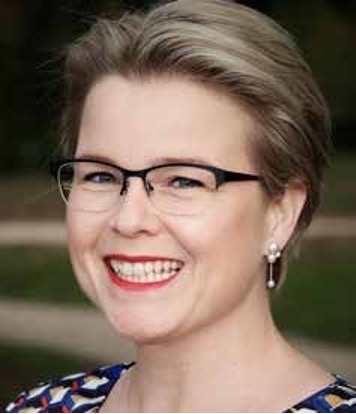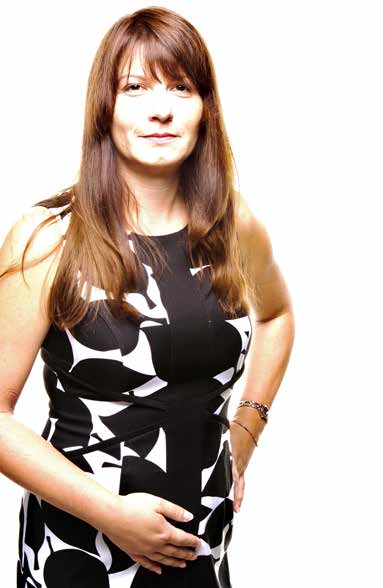
Wie is Ivana Vidakovic?
Ivana Vidakovic is een Servische gestalttherapeute die zich specialiseert in traumaverwerking bij vluchtelingen. In dit interview met Ivana Vidakovic vertelt zij openhartig over haar werkwijze binnen de gestalttherapie en hoe zij mensen helpt om trauma een plek te geven. Meer verhalen en achtergronden vind je in het thema PSC Magazine 2015.
Door: Paul Derkinderen
Ivana Vidakovic is een uitermate boeiende en ervaren Servische psychologe en gestalttherapeute. Ze heeft gedurende 13 jaar gewerkt in het IAN, International Aid Network and Center for Rehabilitation of Torture Victims. Ze werkte met getraumatiseerde (‘internally displaced’) vluchtelingen in Servië. Ze publiceert en doet research. Ze publiceerde onder andere samen met anderen: Internally Displaced Persons from the Prizren Area of Kosovo and Metohija: awaiting return (2004). In het boek Gestalt Therapy in Clinical Practice (Francesetti, G., Gecele, M. & Roubal, J. – 2013) schreef ze het hoofdstuk: ‘The Power of “Moving on”. A Gestalt Therapy Approach to Trauma Treatment’. Ze is ook opleider en supervisor aan de EAPTI Gestalt Studio Belgrade. Ze is lid van EAP, EAGT, International Trauma Treatment Program, International Society for Traumatic Stress Studies. In de EAGT is ze in bestuur en commissies zeer actief. Het interview werd in het Engels afgenomen.
Dear Ivana, you are a Serbian gestalt psychotherapist. Your situation as a citizen of Serbia has – at least that’s what I think – determined very much your professional work, isn’t it? Can you tell me a little how you came to do this work?
‘Yes, my personal and professional life has been highly affected by the socio-political situation in Serbia and in the wider Balkan region. I started my study of psychology in 1991 at the time of the collapse of former Yugoslavia followed by wars in Croatia and Bosnia and Herzegovina, that effected in huge human losses and suffering. Around one million of refugees left their homes in Croatia and Bosnia and Herzegovina and lived in exile in Serbia, and the most of my practical and clinical work during the study had been related to crises interventions. Also civic and students demonstrations against the Milosevic regime were part of our regular daily activities in those years. My first interest was research and I found my first employment in the Institute for Criminological and Sociological research. But at the same day that I supposed to start my academic career, NATO bombing happened, with a new wave of people displaced from Kosovo. In the next six months the only functional part of the society was the non-governmental sector so I changed my professional path being actively engaged for the next 15 years in several NGOs in Serbia with refugees and war victims and learning different psychotherapeutic approaches and skills that could support me in that work.’
You have been working for 13 years in the IAN (International Aid Network and Center for Rehabilitation of Torture Victims). Can you situate this organization a little and your place in it?
‘IAN is a non-governmental organization founded in 1997 by the group of app. 20 young professors and students of psychology eager to be professionally and socially active and responsible in that very difficult time. We realized more than 50 projects, assisting war victims not only in Serbia but also in Bosnia and Herzegovina and Croatia. That was a very enthusiastic time and engagement, and the most of our current professional careers were shaped at that time with intensive work, great friendship and many opportunities for learning and personal growth.
I was engaged in different program sectors during my time in IAN, starting as a coordinator of emergency relief programs for people and health care institutions, than creating and implementing a range of psychosocial programs for refugees and IDPs (Internally Displaced Persons), and still later managing integration and repatriation programs. In the main time I was also acting as a psychologist and psychotherapist. Finally, being led by my interest in research, I had been engaged as an international network coordinator for several clinical and research programs supported by the EC (European Commission) FP5 and FP6 programs. The aim of these researches was to learn more about PTSD (post-traumatic stress disorder), its social, psychological and biological roots and consequences, as well as to document effects of different therapies. I finalized my engagement in IAN being for a few years a member of the Board of Directors.’
In the list of publications of the IAN I find many books of which you were the co-author. It is very impressive! Can you present some of them?
‘Being very aware of the importance of documentation, research and advocacy in that particular socio-political situation, we did a lot of research and documented the war experience of our clients, our interventions and programs and its effects, hoping that someone in the future could learn from that. We did research with more than thousand people immediately after they had to left from Kosovo, in the first month of their displacement all around Serbia, and we did follow up research after 2 years to find how their health, mental health, attitudes, hopes and plans changed after the time of living in exile.
Also, we did research on living in post-war communities in Bosnia and Herzegovina, Croatia and Serbia to compare living conditions, legal status and health of people from the war zone that were living ten years later as internally displaced, refugees or returnees. We learned which factors contribute to their sense of integration in the new communities, as well as which factors would influence people’s decisions to return to their prewar homes.
We documented all work done in IAN Center for rehabilitation of torture victims, war victims’ personal data, the range of war trauma they suffered, the progress and relapse during the time and treatment. Many of our clients used that documentation in their court procedures or in their applications for asylum. More interesting data from IAN documentation and research can be found on www.ian.org.rs/publications, available in English and free for download.’
Can you tell me a little where you are working today and on what? What are your special interests today?
‘Today I am working as a clinical psychologist and psychotherapist in a private practice, and I am part time active as a trainer and coach for clients from business sector. In addition, for the last nine years I have been engaged as a trainer and supervisor within EAPTI Gestalt Studio Belgrade, working with students and groups in Serbia, Croatia and Bosnia and Herzegovina. Trauma diagnostic and therapy is still my special interest and I am finalizing my PhD in that area.’
You are also very active on the EAGT level. Can you tell me what EAGT means for you?
‘Yes, I have been active in several EAGT (European Association for Gestalt Therapy) Committees, i.e. Research, Human Rights and Social Responsibility and Professional Competences and Quality Standards. I see the EAGT as a platform for valuable professional exchange and mutual learning in many areas. I met many remarkable colleagues with common interests and values; we enjoyed opportunities to work together, to deliver gestalt workshops for psychotherapist-volunteers in Ukraine and Peace Brigade International human rights activists, to organize conference and presentations, and to publish articles and books (Yes We Care! Social, political and cultural relationship as therapy’ ground, a Gestalt perspective), etc.’
Ken Evans (president of the European Association for Integrative Psychotherapy and former president of the European Association for Psychotherapy) suddenly died recently. This is a very sad fact, it should not have happened. How was this for you?
‘Ken was a dear friend and a great therapist and teacher. He conducted the program for supervision in therapy in Belgrade in 2006 helping us to establish our gestalt school as EAPTI. We will keep him in our hearts and memories as a remarkable person full of life and love, willing to share his experience and knowledge with others. Ken was also supporting the idea of Human Rights and Social Responsibility in Gestalt Therapy, being active in that committee from the very beginning. He came up with the idea of a social levy, thanks to that we are able to carry out so many practical activities in Greece and Ukraine. His death is a big loss for his family, all friends and colleagues in many countries where Ken was active and for the whole Gestalt community.’
Ivana Vidakovic sprak in oktober jl. op het NAVT-congres in Antwerpen.